A lot has changed since the early days of Pac-Man and Space Invaders. Modern games feature realistic graphics and exciting storylines. Mini-games take fun to the next level by offering addictive gaming experiences. Gwent in The Witcher 3 and Red Dead Redemption 2 can catch your attention so that you forget the rest of your problems. But why do you feel compelled to keep playing “just one more”? Mini-games serve as an excellent combination of visual design, technical simplicity, and quick payouts. No wonder the best bookmakers like GGBet often add this type of game to their casino lobby.
Instant Gratification and Simplicity
Mini-games offer simple challenges and real rewards. Every win releases dopamine in your brain while raising satisfaction and motivation to play again. Mini-games offer simple tasks that can be completed in a few minutes. High speed leads to instant gratification, giving you a sense of accomplishment. Developers expect players to crave one more round.
Mini-games have simple mechanics that don’t require any special skills. Their rules are usually simple enough to grasp in seconds. Candy Crush Saga is a classic mini-game that allows players to keep refining their strategy over time. The so-called “flow state” allows players to stay focused on the task. Even if a mini-game creates real difficulty, it happens to be challenging but not frustrating. Players will be able to figure out how to complete the task without going the extra mile.
Zeigarnik Effect and Focus on the Result
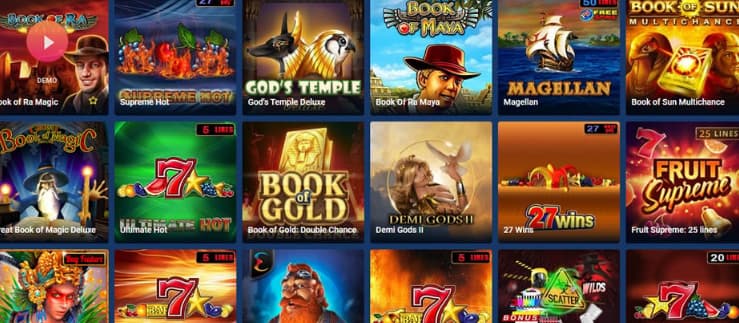
Mini-games rely on a psychological phenomenon known as the Zeigarnik effect, a human ability to remember unfinished tasks better than completed ones. A failed attempt to win a jackpot stays in your mind like an itch that needs scratching. Game designers know this well by crafting mini-games that are just difficult enough to handle on the first try. This keeps players coming back to finish what they started. The most common progress indicators include collecting cards for a deck or filling a progress bar.
Quick Wins and the Human Ego
Mini-games can keep players engaged for hours. They cause no confusion, but rather make them feel good about themselves. Quick winnings contribute to individual competence, increasing self-esteem. The quick success in mini-games is highly appealing. This is why many players spend hours polishing their skills in side activities that offer no massive rewards. Winning in Red Dead Redemption 2 or Digimon World feels satisfying in its own right. No epic boss battle is required.
The social element makes the mini-game even more engaging. Many games include leaderboards and competitive challenges that allow players to compare their performance with others. The feature focuses on the natural human desire to get recognition. With the quick access to rankings, win streaks, or collectible trophies, players can set their motivation right. A mini-game experience should feel not just personal, but communal.
Why “Just One More” Never Feels Like Enough
Mini-games are designed to be quick, easy, and rewarding at the same time. They remove the mental barrier of starting a “big” task, making it easy to proceed with one more round. Players can spend hours playing a side activity they initially thought would take five minutes.
And maybe that’s the magic of mini-games, which deliver fun challenges that satisfy basic psychological needs for recognition and appraisal.
Mini-games may be small, but their psychological impact is quite big. They transform simple moments into compelling challenges, turning brief breaks into long gaming sessions. The psychological design of mini-games keeps you coming back. The next time you find yourself saying “just one more,” you’ll know why.